Creativity~Hyperfocus~
Insights~Resilience~
Intuition~Empathy~
Finding a peaceful headspace can be particularly important for neurodivergent individuals, as their experiences and needs can differ significantly from neurotypical ones. Here are some strategies that can help:
1. Create a Safe Environment
- Quiet Space: Find or create a quiet space where you feel comfortable and secure. This could be a room, a corner of your home, or even a cozy spot outdoors.
- Sensory Regulation: Use soft lighting, calming colors, and comfortable textures. Consider noise-canceling headphones or calming music to manage sensory input.
2. Mindfulness and Meditation
- Breathing Exercises: Practice deep breathing techniques or guided meditations to center your thoughts.
- Mindfulness: Engage in mindfulness activities like yoga or nature walks that encourage being present in the moment.
3. Routine and Structure
- Consistent Routines: Establish daily routines to provide a sense of stability and predictability. This can help reduce anxiety and overwhelm.
- Scheduled Breaks: Incorporate regular breaks to recharge and avoid sensory overload.
4. Engage in Special Interests
- Focus on Passions: Immerse yourself in activities that bring you joy and satisfaction. Engaging in special interests can provide a therapeutic escape and a sense of accomplishment.
5. Connect with Nature
- Nature Therapy: Spend time outdoors in green spaces, which can have calming effects on the mind. Nature walks or gardening can be particularly grounding.
6. Creative Outlets
- Art and Writing: Expressing emotions through art, journaling, or creative writing can be a powerful way to process feelings and find peace.
- Music and Movement: Listen to music or engage in dance to release pent-up energy and improve mood.
7. Support Networks
- Community: Seek out supportive communities, whether online or in-person, where you can share experiences and strategies with others who understand your perspective.
- Therapeutic Support: Consider talking to a therapist who specializes in neurodivergence to develop personalized coping strategies.
8. Self-Compassion
- Be Kind to Yourself: Recognize that everyone has different needs and that it’s okay to take time for self-care. Practice self-compassion and allow yourself to feel what you’re feeling without judgment
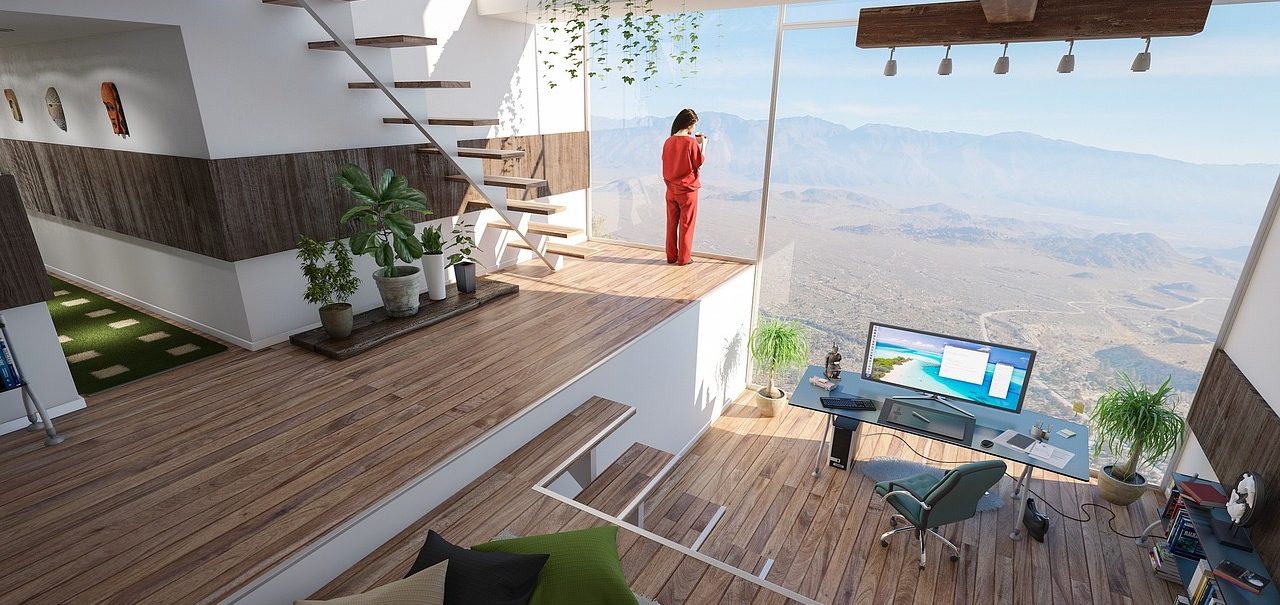
A Dream Space for Clarity, with Space for the Free Spirit to Roam.
A tidy clean space on the outside, creates a tidy clean space to focus and create on the inside.
Creating a tidy and clean space is essential for enhancing focus and creativity, particularly for individuals with ADHD. An organised environment can significantly impact cognitive function and emotional well-being, making it easier to manage distractions and promote productivity.